

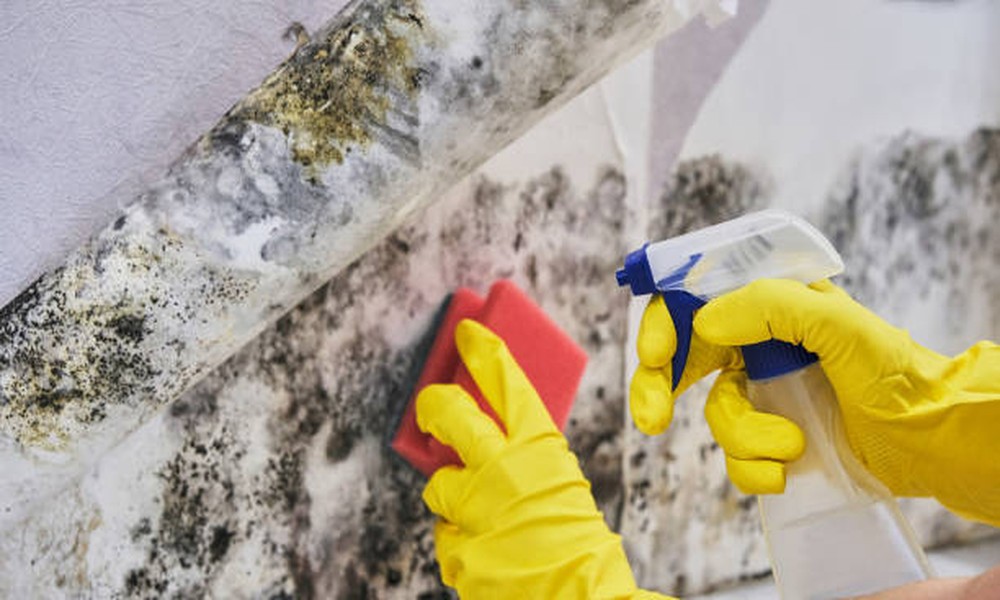
Water damage can quickly lead to serious mold growth if not addressed promptly and properly. When moisture lingers in building materials, it creates an ideal environment for mold to spread behind walls, under flooring, and within hidden structural areas. Emergency mold cleanup becomes essential to protect both property integrity and indoor air quality. The Hazmat Team provides specialized remediation approaches designed to respond quickly after water-related incidents and prevent long-term contamination issues.
The Mechanics of Contamination
Understanding Mold Growth After Water Damage
Mold begins to develop when excess moisture is left untreated in indoor environments. Materials like drywall, wood, and insulation can absorb water and retain damp conditions that support microbial growth. Even small leaks or minor flooding can trigger mold development if drying efforts are incomplete. Once mold starts spreading, it can impact large areas silently, often going unnoticed until visible signs or odors appear. This makes early intervention crucial after any water damage event.
Why Emergency Cleanup Is Critical
Immediate response to water damage significantly reduces the risk of extensive mold infestation. The longer moisture remains in a structure, the deeper it penetrates building materials, making cleanup more complex. Emergency mold remediation helps stop the spread at an early stage, reducing damage and preventing potential health concerns associated with prolonged exposure. Quick action also helps preserve structural components and minimizes the need for major repairs or replacements.
Professional Remediation and Prevention
Steps Involved in Professional Mold Cleanup
Effective mold cleanup involves a systematic approach starting with moisture detection and affected area assessment. Contaminated materials may need to be isolated to prevent cross contamination during the process. Specialized drying equipment is used to eliminate hidden moisture pockets that are not visible on the surface. Once dry, targeted cleaning methods are applied to remove mold growth and sanitize impacted areas. Final inspection ensures that moisture levels have been stabilized and conditions are safe for occupancy.
Preventing Future Mold Problems
After remediation, maintaining a dry and well ventilated environment is key to preventing mold from returning. Addressing leaks quickly, ensuring proper drainage, and monitoring humidity levels all contribute to long term protection. Regular property checks can also help identify early signs of water intrusion before it develops into a larger issue. With the right preventive measures and professional support from The Hazmat Team, property owners can reduce the likelihood of future mold concerns following water damage events.
This article was produced by a professional at The Hazmat Team. Trust your asbestos abatement contractor serving Orange County, California, including Garden Grove asbestos removal. The Hazmat Team ensures a secure, efficient removal process handled with confidence and expertise.