

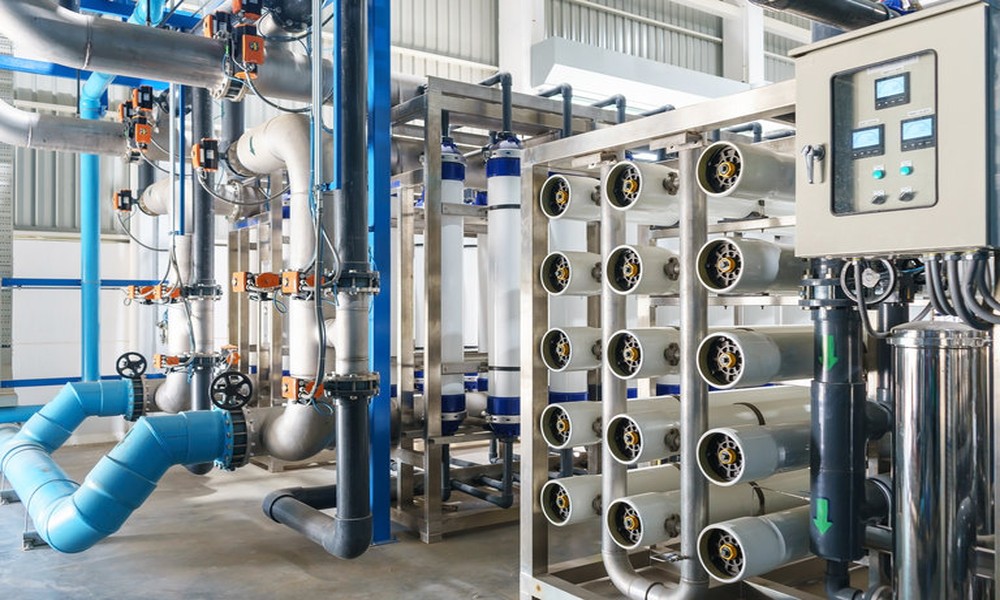
Water and energy share a close link. Each system affects the other deeply. The demand for clean water keeps rising. Energy use also grows with this demand. The connection shapes many modern industries today. Now, efficient practices can reduce both costs and waste. This topic explores better pump use and water recovery.
Understanding the Water-Energy Relationship
Water systems depend on energy for movement. Pumps move water across long distances. Treatment processes also need steady power input. The link becomes stronger in industrial settings where water use is high. The balance between water and energy defines system efficiency. But poor design can waste both valuable resources.
Energy supports extraction and purification tasks. Water supports cooling and power generation in many sectors. This interdependence creates a complex relationship. The efficiency of one side effects the other directly. So, improving one system helps the entire cycle. Smart planning can reduce waste and lower costs over time.
Role of Pump Efficiency in System Performance
Pumps play a central role in water systems. Efficient pumps reduce energy demand significantly. Many systems still use outdated pump designs. These designs waste power and increase operational costs. The selection of proper pump types is very important.
Advanced pumps use better materials and smart controls. These features improve performance and reduce losses. The correct sizing of pumps ensures optimal flow rates. Oversized pumps consume more energy than needed. Undersized pumps struggle and reduce system reliability. Sometimes, regular maintenance also improves efficiency levels.
Techniques to Improve Pump Efficiency
Modern systems use variable speed drives for pumps. These drives adjust speed based on demand. This method reduces unnecessary energy use. It also extends the life of equipment. Smart monitoring tools track system performance continuously.
Engineers design systems with proper pipe layouts. Smooth flow reduces friction and energy loss. Regular inspections help detect leaks or faults early. Efficient operation requires trained personnel and proper planning. The use of automation improves accuracy and response time. Now, industries adopt digital tools for better control.
Reject Water Recovery and Its Importance
Reject water comes from purification processes. This water often contains useful resources. Many systems discard it without reuse. This practice leads to water loss and higher costs. Recovering reject water improves sustainability significantly.
Technologies now allow reuse of reject streams. Treatment methods remove impurities effectively. Recovered water can serve secondary purposes. It supports cleaning or cooling operations in facilities. The adoption of commercial water purification systems helps manage this process better. These systems increase efficiency and reduce environmental impact.
Integrating Efficiency and Recovery Strategies
Combining pump efficiency with water recovery gives strong results. Both approaches reduce energy and water waste together. Integrated systems improve overall performance and reliability. This strategy supports long term sustainability goals.
Designers focus on system level optimization now. They consider energy use and water reuse together. Advanced analytics help in decision making processes. Data driven insights guide better system design choices. So, industries can achieve higher efficiency with lower resource use.
Conclusion
The water energy nexus shapes modern resource management. Efficient pumps reduce energy demand in water systems. Reject water recovery improves overall sustainability. Together, these methods create balanced and efficient operations. Future systems must focus on integration and smart design. This approach ensures better performance and resource conservation.