

It usually starts with one ant on the kitchen counter. You brush it away and think nothing of it until the next morning, when a thin line of them stretches from a crack near the window all the way to a crumb beside the sink. Overnight, one curious scout has become a marching column. For households across Bentonville, Rogers, Fayetteville, and Springdale, this orderly little procession is one of the most common and maddening sights of the warm season.
What makes ant trails exasperating is their persistence. Wipe them away, and they come back. Spray them, and they just take a different route. Lasting relief depends on understanding what the trail represents, which is also why a properly targeted ant control treatment solves what a can of repellent can’t. The line of ants on your counter is a symptom of something larger hidden in your walls or yard.
What an Ant Trail Is
An ant trail is more sophisticated than random wandering. When a scout discovers food, it returns to the nest laying down a chemical trail of pheromones, which is an invisible scent highway that nestmates follow straight to the source. The more ants travel it, the stronger the scent grows, and the heavier the traffic becomes. That’s why the lines crossing your floor look precise.
Which Ants Are Marching Through Northwest Arkansas
Not every trail belongs to the same culprit, and identifying the species matters for treatment. The region hosts several frequent offenders, including:
- Odorous house ants. These are the most common indoor nuisance here, recognizable by the rotten-coconut smell they give off when crushed.
- Pavement ants. These are small, dark, and fond of nesting beneath driveways, patios, and foundation slabs.
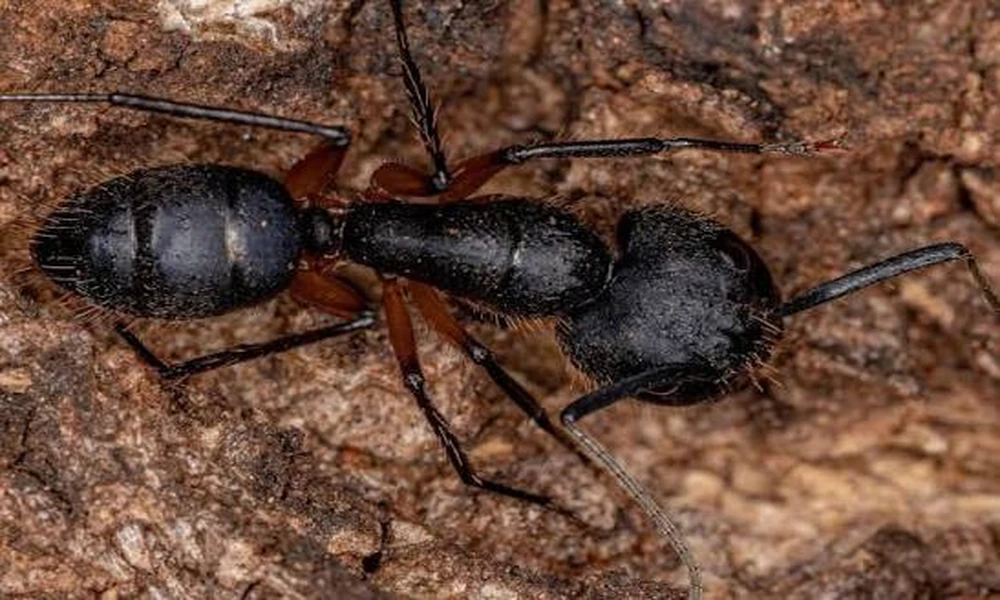
- Carpenter ants. These are larger and more destructive, excavating damp wood and threatening structural timber.
- Argentine ants. These are prolific colonizers that build sprawling, interconnected supercolonies.
Why Spraying the Trail Backfires
Reaching for a household spray and hitting the trail with it feels like a fix, and it does kill the foragers on contact. But foragers represent only a portion of the colony. The queen and the brood stay safely tucked away, continuously producing replacements.
Worse, with species like odorous house and Argentine ants, aggressive spraying can trigger a survival response known as budding. Sensing a threat, the colony splits, and a nest fractures into several smaller ones scattered across the property.
A Smarter Way to Break the Trail
Effective ant management works with the colony’s biology. The aim is to dismantle the source that keeps sending them. A sound approach blends several tactics:
- Use baits. Slow-acting bait is carried back to the nest and shared, reaching the queen and the forages that never show themselves.
- Erase the chemical trail. Wiping surfaces with soapy water disrupts the pheromone scent and buys temporary calm.
- Cut off food and water. Seal pantry goods, clean up spills, and fix the damp spots that lure moisture-seeking species.
- Close the entry points. Caulk the gaps around windows, pipes, and foundation cracks where columns slip inside.
- Call a professional for stubborn colonies. Some infestations demand expertise to locate and treat the hidden nest.
Local experience matters most at this stage. Palisade Pest Control approaches ant problems at the colony level, identifying the responsible species before settling on a method. Their technicians understand which ants are active across Northwest Arkansas as the seasons turn, sparing homeowners the trial-and-error frustration of guessing with store-bought products.
Restoring Order to Your Home
An ant trail is impressive teamwork, which you will never want to host in your kitchen. These invasions can be addressed once you stop battling the symptom and start addressing the colony. Resist the urge to spray on sight, identify what you are dealing with, and aim your efforts at the source.