

When a drain keeps clogging, the usual response is to snake it, pour something down it, and hope for the best. That works for a while, but if the blockage keeps coming back, the problem is probably the film of grease, scale, and sediment coating the inside of the pipe rather than the single clump you removed.
Homeowners across Southern California dealing with recurring backups often hear about hydro jetting in Alhambra as a way to clean a pipe rather than just poke a hole through it. The idea is simple: a specialized nozzle on a flexible hose sends pressurized water through the line, scouring the walls and flushing debris out of the system.
Before deciding whether it fits your situation, it helps to know how the process works, what it can and can’t do, and how it compares with other methods. An informed homeowner makes better decisions and avoids paying for fixes that don’t last. The U.S. EPA also notes that blocked and overloaded sewer lines are a leading cause of sanitary sewer overflows, so keeping lines clear matters beyond your own property. You can read more on its sanitary sewer overflows page.
How the Process Works, Step by Step
- Inspection. A technician usually runs a camera through the line first to find the blockage, check the pipe’s condition, and decide whether jetting is safe.
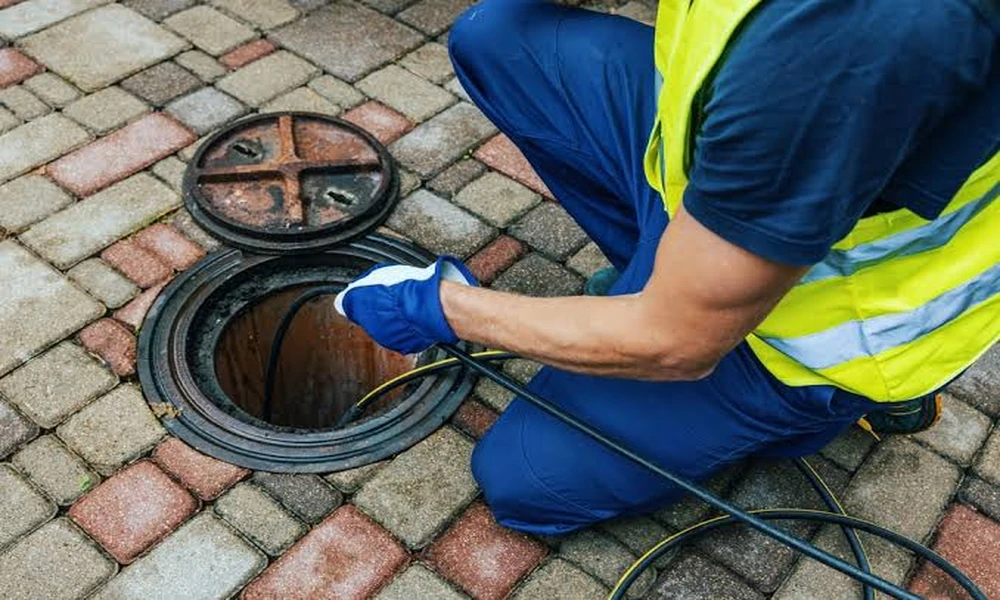
- Access. The hose is fed in through a cleanout, a small capped opening in the line, often outside the house or in a basement or garage.
- Water delivery. A nozzle with forward- and backward-facing jets pulls itself along the pipe while the rear jets scrub the walls.
- Flushing. Loosened debris is carried downstream to the main sewer.
- Follow-up inspection. A second camera pass confirms the pipe is clear and shows whether any damage needs attention.
Snaking vs. Jetting: A Side-by-Side Look
| Factor | Cable Snaking | Water Jetting |
|---|---|---|
| How it works | Drills or hooks through the clog | Scours the full pipe wall |
| Best for | Single, soft blockages | Grease, scale, sludge, root fibers |
| Pipe wall left clean? | Usually not | Yes, in most cases |
| Recurrence | Often returns within months | Typically slower to return |
| Risk to fragile pipe | Low to moderate | Higher if pipe is damaged |
A snake restores flow quickly but often leaves a narrow channel through the buildup. Jetting removes more of the buildup itself, which is why it tends to suit lines that clog repeatedly.
What Jetting Is Good At Removing
- Grease and fat, especially in kitchen lines where cooled cooking oil hardens into a waxy coating
- Soap scum and sediment that build up gradually in older drains
- Mineral scale, which is common where water is hard
- Fine tree roots that have entered through joints (larger roots may need cutting first)
- Sludge in long horizontal runs where flow is slow
When Jetting Is the Wrong Choice
No method fits every pipe. A responsible technician will tell you when to hold off. Situations that call for caution include:
- Collapsed or severely cracked pipes, where pressure could worsen the damage
- Very old, brittle materials, such as deteriorated clay or Orangeburg (tar-paper) pipe
- Poorly sealed joints that might separate under pressure
- Blockages caused by a solid object, like a toy or a broken pipe section, which jetting won’t dissolve
This is why a camera inspection comes first. Pressure that safely cleans a sturdy modern pipe can harm a fragile one.
Does It Hurt Your Pipes?
This is the most common worry, and the honest answer is that it depends on the pipe. Sound PVC, cast iron, and well-maintained clay lines generally handle properly calibrated pressure without trouble. Professionals adjust pressure and nozzle choice to the pipe’s size and material. Damage tends to happen when the pipe was already compromised or when the equipment is operated poorly, which is why experience matters as much as the machine.
Common Questions
How long does a typical job take?
Most residential jobs take from one to a few hours, depending on line length, access, and how heavy the buildup is.
Is it messy?
It’s usually cleaner than people expect. The work happens inside the pipe, and debris is flushed into the sewer system. Some water may splash at the cleanout, so techs typically protect the work area.
Will it prevent clogs permanently?
No. It resets the pipe to a clean condition, but habits still matter. Pour grease into a jar instead of the drain, use strainers, and avoid flushing wipes.
Can I do it myself with a rental unit?
Consumer-grade pressure washer attachments exist, but they are far weaker than professional equipment, and misusing high pressure can injure you or the pipe. For anything beyond a minor clog, professional tools are the safer route.
Signs Your Lines May Need More Than a Quick Fix
Watch for patterns rather than one-off events:
- The same drain clogs again within weeks or months
- Several fixtures slow down at the same time
- Gurgling sounds from toilets when you run a sink or washer
- Foul odors that return after cleaning
- Water backing up into a tub or floor drain
One slow sink is usually a local issue. Several symptoms at once suggest buildup deeper in the line.
Keeping Lines Clear Between Services
Maintenance habits extend the benefit of any professional cleaning:
- Wipe greasy pans with a paper towel before washing
- Keep food scraps out of the disposal where possible
- Use mesh strainers on every shower and tub drain
- Run hot (not boiling) water after washing dishes
- Fix leaks promptly, since constant trickles can encourage roots to seek the moisture
Efficient water use helps too, by reducing the load on your plumbing overall. The EPA’s WaterSense program offers practical tips for cutting water waste at home.
Questions Worth Asking Any Plumber
- Will you inspect the line with a camera first?
- What pressure will you use for my pipe’s material and age?
- Will you show me before-and-after footage?
- What would you recommend if the pipe turns out to be damaged?
Clear, specific answers are a good sign. Vague ones are worth questioning.
The Bottom Line
Drain trouble that keeps returning usually has a cause deeper than the last clog. Understanding the difference between punching through a blockage and cleaning the whole pipe puts you in a stronger position, whether you’re troubleshooting at home or discussing options with a professional. Know your pipe’s age and material, pay attention to early warning signs, and build a few simple habits around the kitchen sink. Those small steps do as much for long-term drain health as any equipment.